
This suggests potential applications for peptides and menopause

a decrease in sperm motility (due to mitochondria damage resulting in a reduction in ATP [energy], and damage to the tail a decrease in sperm viability (how long they remain alive) an increase in mid-piece morphology defects (comprised of mostly mitochondria) deleterious effects on sperm capacitation and acrosome reaction (aka sperms ability to fertilize the egg) increased sperm DNA damage and apoptosis (cell death) And could contribute to possible birth defects It should be noted that almost all human ejaculate contains reactive oxygen species (ROS), primarily produced from the above-mentioned lifestyle and environmental factors ( consumption of sugars and oxidized vegetable oils, smoking, alcohol, exposure to environmental toxins, high or chronic emotional stress, circadian rhythm dysregulation (poor sleep), lack of exercise, infections, and a lack of antioxidant intake ), as well as from abnormally shaped sperm present (meaning, if there is a high % of abnormally shaped sperm, or poor morphology, more reactive oxygen species (ROS) will be present, and these days, most sperm samples contain a large % of abnormally shaped sperm)

Iron deficiency affects over 60% of heart failure patients, leading to reduced energy, lower exercise capacity, and higher morbidity
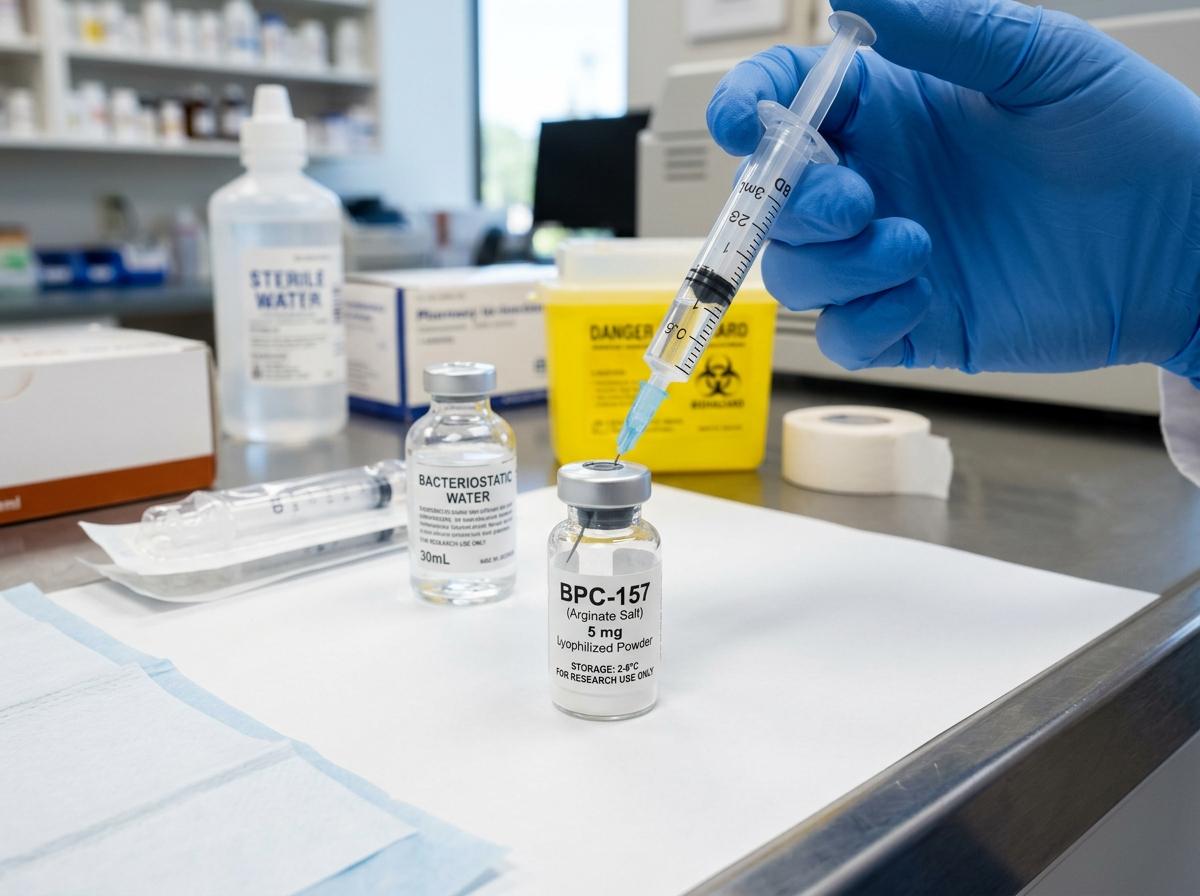
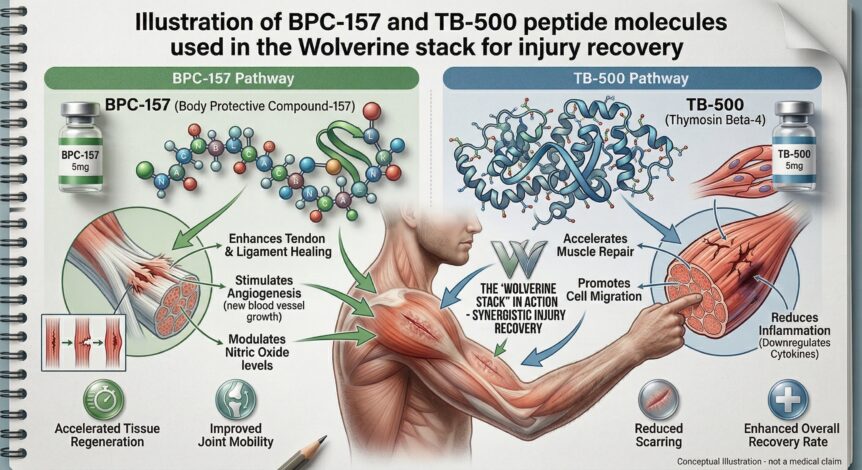
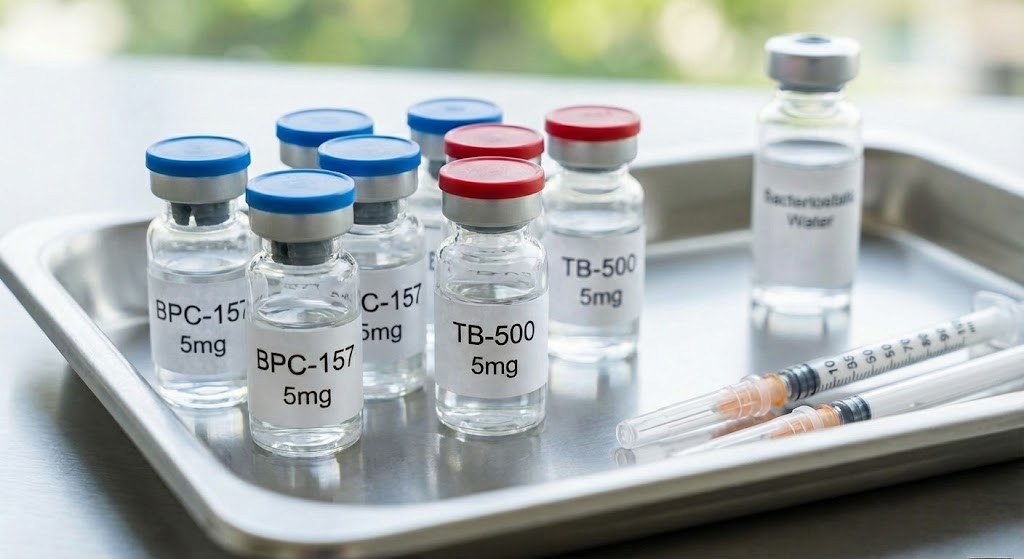
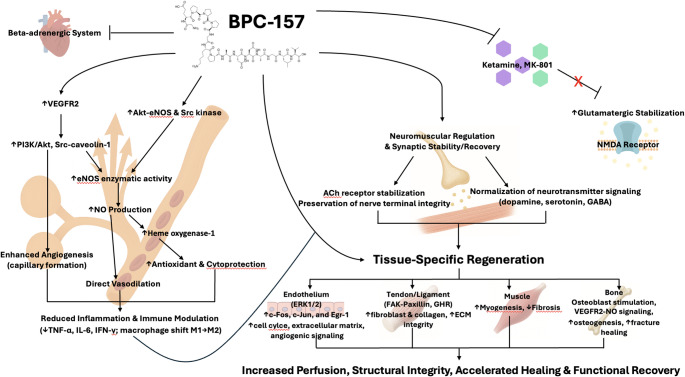
helps New HavenHartfordWaterbury patients achieve tissue regeneration and inflammation reduction with bpc-157 peptide therapy for tissue repair and inflammation
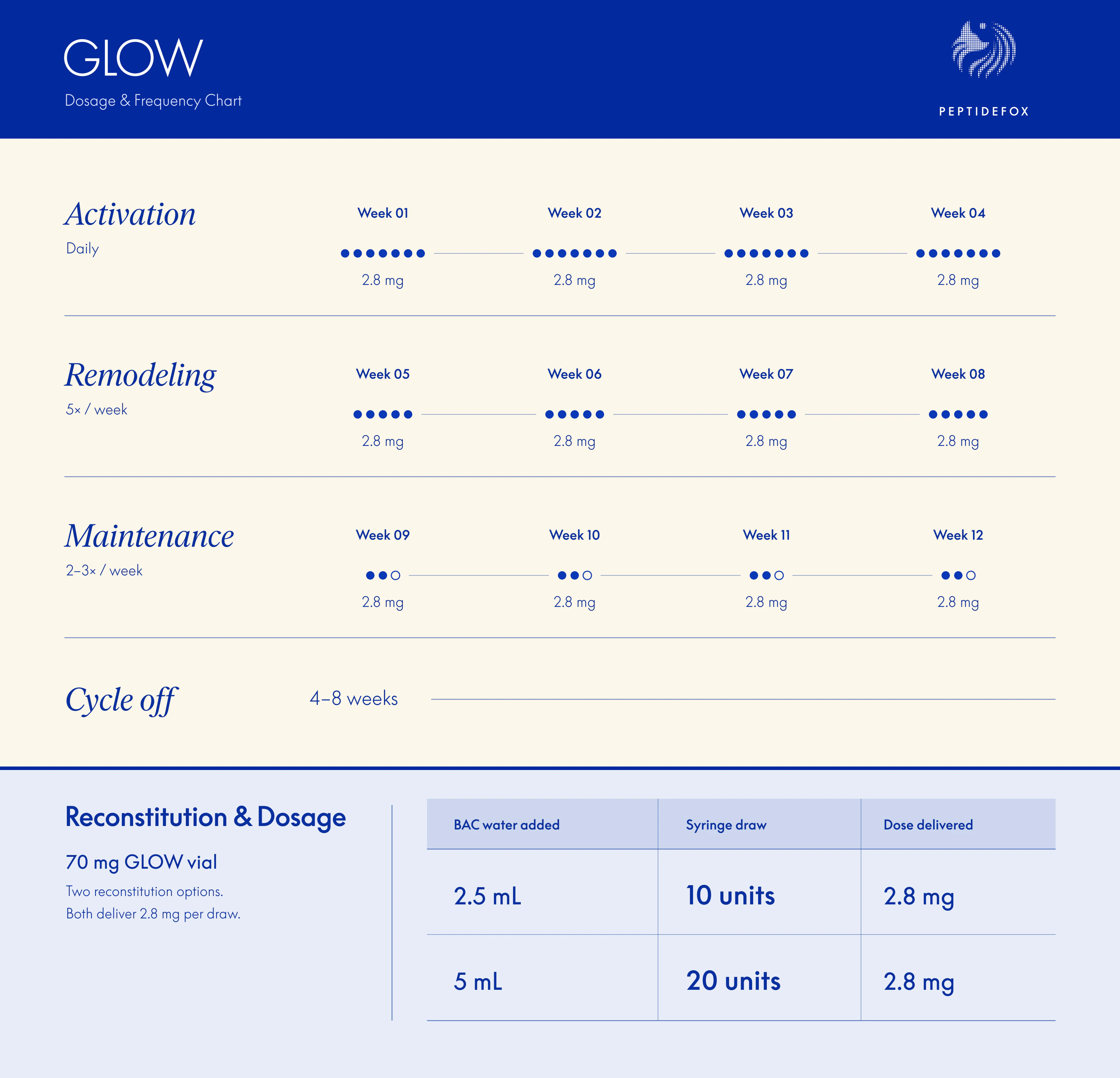
Actual dosing is based on individual physician recommendations
A hypothetical cagrilintide and tirzepatide dosage chart would need to account for overlapping effects on gastric emptying and appetite suppression